
No. 5 in the ALCOHOLISM
Alcoholic encephalopathy
Alcoholic encephalopathy is a serious brain disorder that arises from prolonged and excessive alcohol consumption. This condition occurs due to the toxic effects alcohol has on both the brain and liver, which leads to metabolic disturbances and the buildup of harmful substances like ammonia in the body. Elevated ammonia levels, in particular, are a common issue in patients with alcoholic encephalopathy and are closely monitored during treatment. Symptoms often include cognitive decline, confusion, memory loss, difficulties with coordination, and noticeable mood or behavioral changes. The condition can present itself in both acute and chronic forms, with acute alcoholic encephalopathy being a more sudden and severe onset, while chronic cases develop gradually over time.
Diagnosing alcoholic encephalopathy requires a combination of clinical evaluation, blood tests, and imaging techniques like MRI scans to assess the extent of brain damage. In medical documentation, the condition is categorized under ICD-10 code G31.2, with additional codes used when liver cirrhosis is involved. For example, alcoholic cirrhosis with hepatic encephalopathy is a common complication, which has its own ICD-10 classification, reflecting the interconnected nature of these diseases.
A crucial concern for many patients is whether alcoholic encephalopathy is reversible. The answer depends on several factors, including the severity of the condition and how early it is diagnosed. In some cases, especially with early intervention and complete cessation of alcohol consumption, partial or even full recovery of cognitive functions is possible. However, if the disease is left untreated or alcohol consumption continues, the damage may become irreversible, leading to a poor prognosis and long-term brain dysfunction.
Treatment for alcoholic encephalopathy focuses on managing the underlying liver issues, reducing the levels of toxins in the bloodstream, and improving cognitive function. Medications like lactulose are commonly prescribed to lower ammonia levels and help mitigate symptoms. In more severe cases, a combination of therapies may be necessary to control the progression of the disease and improve the patient’s quality of life. For those with liver cirrhosis, addressing both the liver damage and encephalopathy is crucial to enhance survival chances.
Patients and families often wonder if alcoholic encephalopathy ever fully goes away. While some symptoms can be managed and even reversed with early diagnosis and treatment, complete recovery is not guaranteed. The key is early intervention, especially before permanent brain damage occurs. Life expectancy for those suffering from severe alcoholic encephalopathy depends largely on the stage of the disease at diagnosis and the patient’s ability to stop drinking.
Differentiating alcoholic encephalopathy from other conditions, such as non-alcoholic hepatic encephalopathy, is important in developing the correct treatment plan. While both conditions affect the brain due to liver dysfunction, the underlying cause and treatments differ. In some cases, calculating scores, such as the Glasgow Alcoholic Hepatitis Score, can help healthcare professionals assess the severity and decide on the best course of action for treatment.
The journey to recovery is complex, especially for patients dealing with alcoholic encephalopathy alongside liver complications like cirrhosis. While treatment can improve symptoms, the condition often serves as a clear sign of the critical need for lifestyle changes, particularly the cessation of alcohol.
Ask.Direct will connect to several of the set clients who are ready to help you right now.
Get a response from real customers in 15-30 seconds
Statistics


Andrew Sparks
1
review
0
helpful
0
useless
Through the Shadows: My Battle with Alcohol-Induced Encephalopathy

From Andrew Sparks | 2 years ago
1 review
0 helpful
0 useless
It started as a creeping fog in my mind, like a heavy curtain that slowly descended over my thoughts. I’d been enjoying a drink too many for years, never thinking much of it, until one day when clarity seemed to slip through my fingers like sand. That’s when the term "alcoholic encephalopathy" became more than just a vague concept—it was my reality. The turning point came when my doctor mentioned "alcoholic hepatitis encephalopathy with ascites," and I stared blankly at the ICD-10 code she rattled off. I had to confront the fact that my liver was showing signs of serious distress, and this was more than just a health scare. My world had suddenly expanded into the realm of "alcoholic liver cirrhosis with hepatic encephalopathy," and the implications were daunting. As I delved deeper, I stumbled upon the "ICD-10 code for acute alcoholic encephalopathy" and realized just how severe things had gotten. My MRI results showed changes in my brain that were troubling. It wasn’t just about how I felt; it was about what could be seen on the scans. The term "what does encephalopathy look like on MRI" took on a new urgency as I navigated through the labyrinth of medical information. I learned that "lactulose" was a critical part of my treatment plan, aimed at managing the condition. The drug wasn’t a cure-all, but it was a crucial step in managing the severe hepatic encephalopathy. There were discussions about "alcoholic encephalopathy life expectancy," and while the prognosis varied, the focus was on stabilizing my condition and improving my quality of life. Understanding the stages of alcoholic encephalopathy became crucial. I went from questioning "can alcohol cause encephalopathy" to learning about the "alcoholic metabolic encephalopathy" and "alcoholic pellagra encephalopathy" that were complicating my situation. Each term represented a piece of the puzzle that I had to fit together to understand my diagnosis and the road ahead. The journey through "alcoholic encephalopathy radiology" and how it affects the brain was both enlightening and sobering. The severity of my condition was visible in the images, and I had to face the reality of "how long does alcoholic encephalopathy last." The uncertainty of my future loomed large, but the path to managing and potentially reversing some of the damage was becoming clearer. Every step of the way, from grappling with the "ICD-10 diagnosis code for alcoholic encephalopathy" to dealing with the reality of my liver's condition, was a testament to the impact of chronic alcohol use. It was a harsh lesson in how deeply alcohol could affect not just the liver but the brain itself. Reflecting on this journey, I realize that understanding the full scope of my condition—from the "alcoholic hepatic encephalopathy" to the practical aspects of treatment—has been both a challenge and a crucial part of my recovery. It’s a story of confronting uncomfortable truths and striving to reclaim control over my health.
- acute alcoholic gastritis
 what is chronic alcoholism
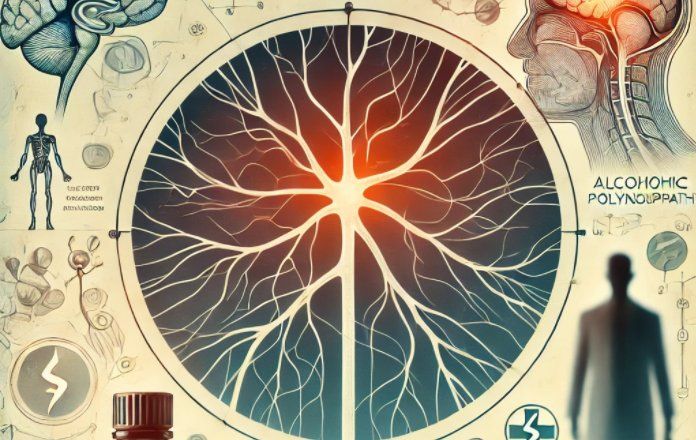 alcoholic polyneuropathy pain treatment
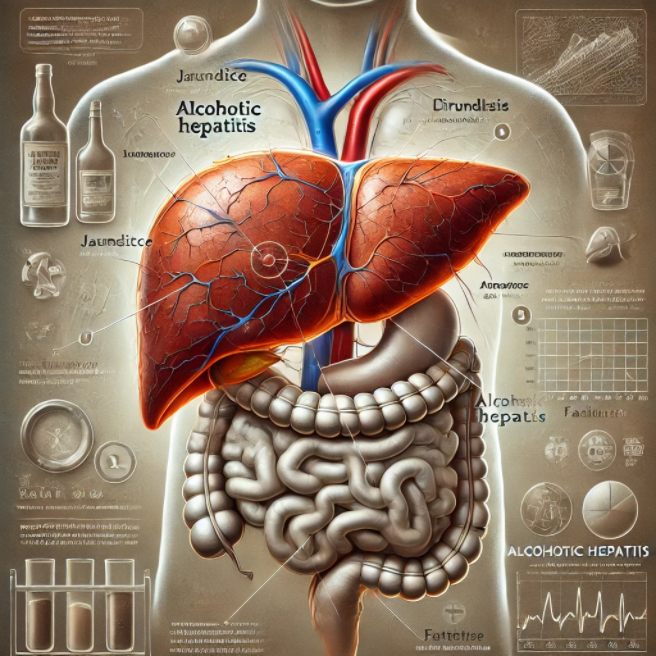 acute alcoholic hepatitis treatment
- differential diagnosis of alcoholic polyneuropathy
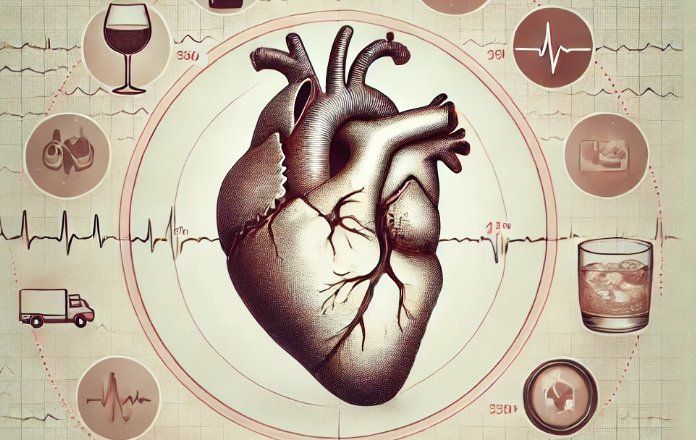 alcoholic cardiomyopathy reddit
- can alcoholic cardiomyopathy be reversed
- alcoholic cardiomyopathy echo findings
- what is alcohol polyneuropathy
- how is alcoholic myopathy diagnosed
- acute alcoholic gastritis reddit
- alcoholic hepatitis without ascites
- alcoholic hepatitis vs cirrhosis
- alcoholic gastritis treatment reddit
- alcoholic gastritis due to chronic alcoholism icd 10
- acute alcoholic encephalopathy
- alcoholic liver cirrhosis with hepatic encephalopathy icd 10
- alcoholic cirrhosis with hepatic encephalopathy icd 10
Build trust in your brand and get new customers

20 000
Ask.Direct requests

1 500 000
Monthly page views

13 000
Completed customer data

7 000
Comments per month

15 000
Likes per month

10 000
Completed polls


Increase your audience, get more active followers
Engage your: audience with expert opinion

Promote your page to the top of reputable brand searches - for free!

Attract new customers to your social networks or channels!

Check out statistics of profile link clicks and content views